Top Skills That Will Matter More Than Degrees in 2026
The Career Shift Nobody Can Ignore
For years, people believed that a good degree automatically guaranteed a good job and a stable career. But in 2026, that mindset is changing rapidly. Companies are no longer hiring people only because of college names, academic scores, or certifications. Employers now care more about whether a person can solve problems, communicate effectively, adapt quickly, and create measurable impact in the workplace.
A degree may still help someone enter the corporate world, but skills are becoming the real factor that determines salary growth, promotions, opportunities, and long-term career success. Recruiters today are asking a different question. Instead of “Where did you study?”, they want to know “What can you actually do?”
Why Skills Are Becoming More Important Than Degrees
The modern workplace is evolving faster than traditional education systems. Many colleges continue teaching outdated concepts while industries are transforming every few months because of artificial intelligence, automation, digital business, remote work, and global competition.
This is one of the biggest reasons why companies now prefer professionals who can learn quickly, adapt to change, and deliver results immediately. In many industries, a self-taught employee with practical knowledge and execution skills can outperform someone with multiple degrees but very little real-world experience.
In 2026, companies are expected to prioritize employees who can think independently, use technology smartly, and continuously improve themselves.
Skills That Will Matter More
AI Literacy
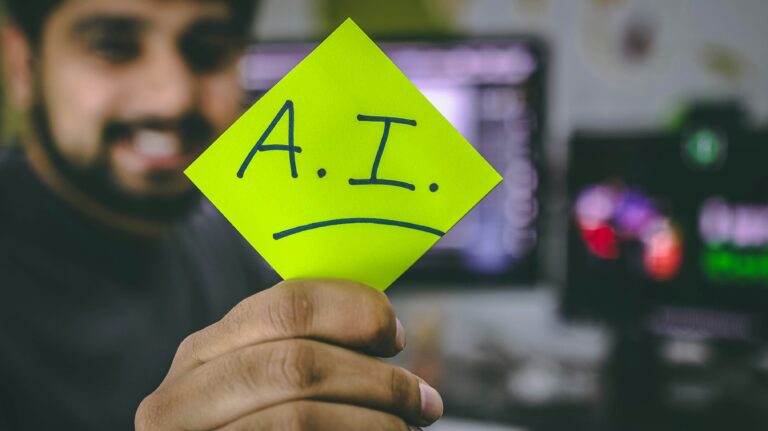
Artificial intelligence is no longer limited to tech companies. AI tools are now being used in marketing, finance, biotech, HR, content creation, customer service, management, and almost every corporate function. Because of this, AI literacy is becoming one of the most valuable career skills for the future.
This does not mean every employee needs to become a software engineer or coder. Instead, professionals need to understand how to use AI tools efficiently to improve productivity, automate repetitive tasks, conduct research faster, and create better outputs.
Employees who know how to work with AI will have a major advantage over employees who completely ignore technological changes. Skills like prompt writing, AI-assisted content creation, workflow automation, and AI-based productivity management are becoming highly valuable across industries.
Communication Skills
One of the biggest realities of corporate life is that talented people often stay unnoticed because they struggle to communicate their value. At the same time, average performers who communicate confidently are often seen as more capable and leadership-ready.
In 2026, communication skills will become even more important because workplaces are becoming increasingly remote, global, and collaborative. Employees are expected to present ideas clearly, write professionally, participate confidently in meetings, and manage workplace conversations effectively.
Strong communication is not only about speaking English fluently. It is also about clarity, confidence, emotional maturity, and the ability to explain complex ideas in a simple and practical way.
Personal Branding
Personal branding is becoming the modern version of a resume. Before hiring candidates, recruiters often check LinkedIn profiles, personal websites, social media presence, portfolios, and online content.
Professionals who consistently share their knowledge, experiences, insights, or expertise online are building trust and authority in their industry. In 2026, employees with strong personal brands may receive better job offers, freelance opportunities, speaking invitations, and networking advantages compared to equally skilled professionals with no online presence.
Building a personal brand does not require becoming a full-time influencer. Even regularly sharing career insights, projects, lessons, or industry knowledge can help professionals stand out in competitive industries.
Adaptability
The workplace is changing faster than ever before. New technologies, changing market demands, and evolving business models are constantly reshaping industries. Because of this, adaptability has become one of the most critical professional skills.
Employees who refuse to learn new systems or accept change may struggle in future workplaces. On the other hand, professionals who stay curious, update themselves regularly, and quickly learn new tools are more likely to remain valuable in the long run.
In many cases, career growth is no longer determined by how much someone already knows. It is determined by how quickly they can learn something new.
Problem-Solving Ability
Companies are willing to pay high salaries to employees who can solve important business problems. Problem-solving skills involve analytical thinking, creativity, decision-making, and the ability to identify practical solutions under pressure.
Employees who only follow instructions are easier to replace. However, employees who can improve systems, identify opportunities, reduce inefficiencies, and solve complex challenges often become indispensable to organizations.
This skill becomes even more valuable in leadership and management roles, where professionals are expected to make decisions that directly impact business performance.
Emotional Intelligence
Corporate success is not based only on technical knowledge or academic intelligence. Emotional intelligence is becoming equally important in modern workplaces.
Professionals with strong emotional intelligence are usually better at handling stress, managing workplace relationships, dealing with criticism, resolving conflicts, and maintaining professionalism during difficult situations.
In highly competitive corporate environments, emotional maturity can often influence promotions, leadership opportunities, and team dynamics more than technical expertise alone.
Employees who understand people, workplace behavior, and communication dynamics are often able to navigate corporate challenges more successfully.
Sales and Influence Skills
Even employees who are not officially working in sales still need influence skills in their careers. Every professional constantly “sells” their ideas, skills, experience, and value during meetings, interviews, presentations, and negotiations.
The ability to influence people positively can create major career advantages. Employees who communicate persuasively and build trust often grow faster inside organizations because they are seen as leadership material.
In 2026, influence skills will continue becoming important across industries, especially in leadership, freelancing, consulting, entrepreneurship, and management positions.
Digital Content Skills
Content is becoming one of the most powerful tools for visibility, authority, and business growth. Skills related to content creation, storytelling, video editing, SEO, writing, and social media are expected to remain highly valuable in the future.
Even professionals outside marketing benefit from digital content skills because visibility creates opportunities. Employees who know how to present ideas online, build audiences, and create engaging content often gain professional recognition faster than those who stay invisible.
In the digital economy, attention has become a valuable currency.
Do Degrees Still Matter?
Degrees are still important in specialized careers like medicine, law, scientific research, and engineering. However, even in these industries, practical skills and execution ability are becoming increasingly important.
A degree alone is no longer enough for long-term career growth. The most successful professionals in 2026 will likely combine education with practical skills, adaptability, communication ability, and strong professional visibility.
The future belongs to people who continuously evolve instead of relying only on qualifications earned years ago.
How to Stay Relevant in 2026
Learn Continuously
Professionals who continue learning will always stay ahead in competitive industries. Developing skills related to AI, communication, leadership, problem-solving, and technology can create long-term career security.
Learning should no longer be treated as something that ends after college. In modern careers, continuous learning is becoming a permanent requirement.
Build an Online Presence
Creating a professional online presence can significantly improve career opportunities. Sharing industry insights, workplace experiences, projects, or expertise helps professionals build authority and credibility.
Even a small but consistent online presence can attract recruiters, collaborations, freelance clients, and networking opportunities.
Focus on Practical Execution
Many professionals spend years collecting certificates but fail to build practical experience. In 2026, employers are expected to value proof of work more than theoretical knowledge alone.
Building projects, solving real problems, gaining hands-on experience, and demonstrating measurable results will matter more than simply listing qualifications on a resume.
Final Thoughts
The future workplace is shifting toward skills, adaptability, and execution ability. Degrees may still open doors, but they are no longer enough to guarantee career success.
Professionals who continuously improve themselves, learn new technologies, communicate effectively, and adapt to changing industries will have a major advantage in 2026 and beyond.
The most successful people in the future may not necessarily be the ones with the most degrees. They will be the ones who know how to evolve with the changing world.
About the Author